Where to Get Treated After a Shreveport Accident
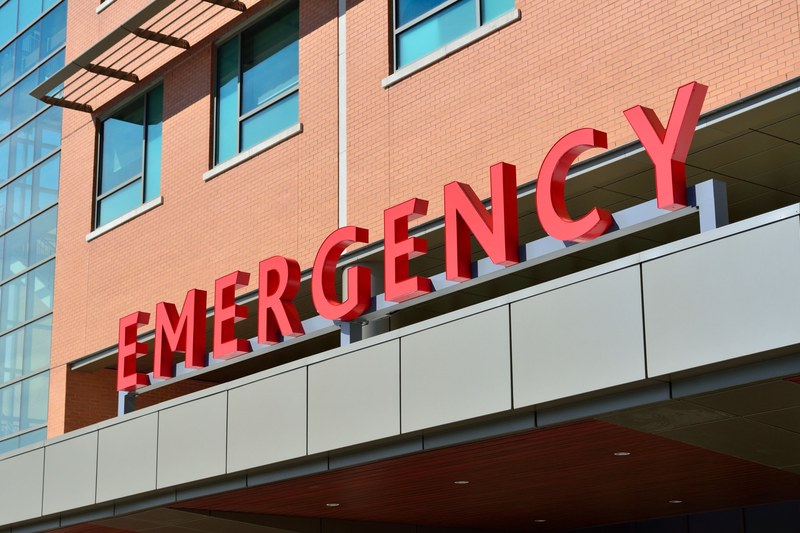
The medical decisions you make in the first week after a crash shape both your recovery and your claim. Not because you should treat strategically, but because the record created along the way is what an insurance company evaluates months later.
Trauma Care in Shreveport
Ochsner LSU Health Shreveport, Academic Medical Center at 1541 Kings Highway operates north Louisiana’s only Level I trauma center, verified by the American College of Surgeons and held since 1991. It is also the regional burn center, the region’s only comprehensive stroke center, and the only Level II pediatric trauma program in Louisiana.
That designation matters more here than it would in a larger metro. The nearest other Level I trauma center is roughly 185 miles away in Dallas. For the most serious crash injuries in the Ark-La-Tex, this is the destination, and if an ambulance takes you or a family member there it reflects the severity of the injury.
Willis-Knighton Health System operates multiple hospitals and emergency departments across Shreveport and Bossier City, including its main medical center, its south campus, Pierremont, and a Bossier facility. It is the largest system in the area by location count.
CHRISTUS Health Shreveport-Bossier operates Highland Medical Center in Shreveport along with other facilities in the region.
Shriners Children’s Shreveport provides pediatric orthopedic care.
Ochsner LSU Health also operates St. Mary Medical Center and a Women’s and Children’s Center in Shreveport, along with urgent care locations in Shreveport and Bossier.
In an emergency, the ambulance decides where you go based on the injury and the protocols. That decision is medical, not financial, and it is the right one to let them make.
When the ER Is Not the Right Call
If you were not taken by ambulance and are not facing an emergency, an urgent care clinic or your own physician is a reasonable option. What matters is being seen promptly rather than where. Our guide on whether to go to the ER covers the decision.
Go the same day or the next day. Not next week.
Two reasons. Injuries including concussion, internal bleeding, and disc damage do not always present immediately. And a gap between the crash date and your first medical visit is the first argument an insurance company makes, and the most effective one they have.
What an Emergency Department Does and Does Not Do
Emergency departments identify and treat what is immediately life threatening. They are very good at that. They are not designed to diagnose every injury you sustained.
This catches people off guard. Someone is discharged with a diagnosis of a strain, then learns six weeks later from an MRI that they have a herniated disc. That is not a mistake by the ER. It is the difference between emergency triage and a diagnostic workup. More on symptoms that appear later.
What it means for you:
- Being discharged does not mean you are uninjured
- Follow up with a physician within days
- Report every symptom, including any that appeared after the ER visit
- Follow through on referrals for imaging or a specialist
Who Pays While the Claim Is Pending
This is where most people get stuck, and it is worth knowing before you choose how to proceed. Our full guide on who pays medical bills after a Louisiana crash goes further.
The at-fault driver’s insurer does not pay as you go. It pays once, at settlement, and not before. Anyone telling you otherwise is mistaken.
Your health insurance should be used. Hospitals sometimes decline to bill health insurance when they learn a crash was involved, preferring to place a lien against the eventual settlement. Health insurance generally pays at negotiated rates far below billed charges, which leaves considerably more of a settlement in your hands. Give them your health insurance and ask them to bill it.
Medical payments coverage. If you carry it on your auto policy, it pays regardless of fault and can cover immediate costs.
Medical liens. Some providers treat injury patients on a lien, meaning they are paid from the settlement. This provides access to care without upfront cost, and the balances are often negotiable at the end.
Medicare and Medicaid. Both have reimbursement rights against a settlement, and resolving those obligations can add weeks after an agreement is reached.
How these balances get negotiated at the end has a significant effect on what you actually keep.
Keep Your Records
- Every discharge summary and visit note
- Imaging reports
- Prescriptions and pharmacy receipts
- Physical therapy records and attendance
- Referrals, whether or not you followed through
- Mileage to appointments, which is recoverable
- Work documentation for time missed. See claiming lost wages.
Causation Has to Be Proven Now
Louisiana eliminated the Housley presumption through La. Code of Evidence art. 306.1, effective May 28, 2025. That presumption previously helped someone healthy before a crash connect their symptoms to it.
Without it, the connection has to be established through medical evidence rather than inferred from timing. In practical terms, early treatment and a clear, consistent record matter more now than they did two years ago.
The Deadline
Under La. Civil Code art. 3493.1 you have two years from the date of the crash to file suit for most injury claims, effective July 1, 2024. Louisiana previously allowed one year. See the Louisiana filing deadline.
Questions We Hear
Should I go to the ER or urgent care?
Emergency department for anything potentially serious, including head injury, chest pain, breathing trouble, or severe pain. Urgent care or your own physician is reasonable otherwise, as long as you go promptly.
I waited two weeks to see anyone. Did I ruin my claim?
No, but it is an obstacle. Start treatment now and tell your lawyer why you waited. A documented explanation is far better than an unexplained gap.
Can the hospital put a lien on my settlement?
Yes. Louisiana providers can assert rights against a settlement, and these balances are frequently negotiable.
How We Handle the Medical Side of a Claim
The treatment is between you and your doctors. Everything around it is work we take off your plate.
Getting the bills to the right place. Providers sometimes decline to bill health insurance once they learn a crash was involved. We push back on that, because health insurance pays at negotiated rates far below billed charges and that difference stays in your pocket at the end.
Finding coverage that pays now. Medical payments coverage on your own policy pays regardless of fault and can cover immediate costs. Many people carry it without knowing.
Arranging treatment where cost is the barrier. Some providers will treat injury patients on a lien, meaning they are paid from the settlement rather than up front. Where that is the right option, we help arrange it.
Collecting the complete record. Every provider, every visit, every imaging report. Missing records are the most common reason a claim gets valued below what it is worth.
Documenting what is still ahead. Future treatment only counts if a physician says it will be needed. We make sure that opinion exists in writing rather than being assumed.
Negotiating the liens at the end. Health insurers, Medicare, Medicaid, and medical providers often have reimbursement rights against a settlement. What gets knocked off those balances has a direct effect on what you actually keep, and it is some of the most valuable work done on an otherwise ordinary claim.
Why Gaps Cost More Than People Expect
A break in treatment is the single most effective argument an adjuster has, and it is the one we see sink otherwise strong claims.
If you cannot afford to continue, or transport is the problem, or you simply felt better for a few weeks, say so. A documented reason for a gap is a very different thing from an unexplained one. We would rather know in month two than find out when the demand is being prepared.
What It Costs to Ask
Nothing. The case review is free and there is no obligation afterward.
If we take the case, the fee is contingent. It comes out of the recovery, and there is no fee if there is no recovery. You will not be asked for money while you are still being treated.
Talk to a Shreveport Car Accident Lawyer
If you were hurt in a crash in Shreveport or Bossier City, getting the medical side handled properly from the beginning is worth more to your claim than anything that happens at the end of it.
Contact Ford Injury Firm about your Shreveport car accident claim for a free case review.
Author Bio
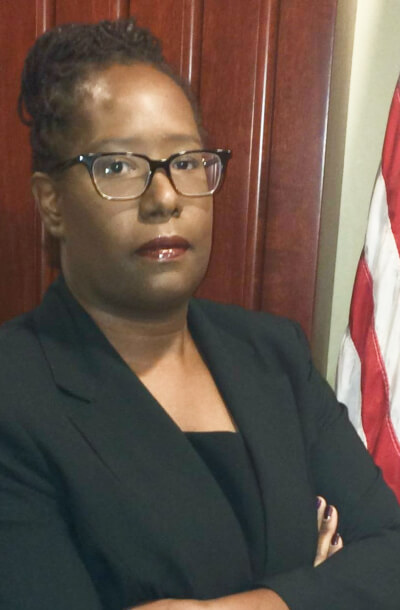
Heather C. Ford is the founder and Managing Attorney at Ford Injury Firm, a reputable Shreveport-based law firm focused on personal injury, traffic violations, and misdemeanor cases. A proud Louisiana native, Heather earned her bachelor’s degree in Chemistry from Dillard University before obtaining her Juris Doctor from Loyola University New Orleans.
At Ford Injury Firm, Heather leverages her extensive knowledge of Louisiana law to offer personalized and aggressive representation to clients facing a range of legal challenges. Whether dealing with the aftermath of car, truck, motorcycle, or pedestrian accidents, or addressing traffic-related charges such as speeding tickets and DUI/DWI offenses, Heather is dedicated to protecting her clients’ rights and securing the best possible outcomes.