Do I Need to Go to the ER After a Car Accident?

You should get medical care right away after a car accident, even when you feel fine. Going to the ER after a car accident is the safest choice if you have any serious symptoms, but the ER is not the only option.
What matters is that a medical professional evaluates you quickly, ideally within 24 to 72 hours. Adrenaline can hide real injuries for hours or days, and prompt records protect both your health and any injury claim.
Should You Go to the ER After a Car Accident?
Go straight to the emergency room, or call 911, if you notice any of these after a crash:
- Head impact, loss of consciousness, confusion, or a headache that worsens
- Chest pain or trouble breathing
- Abdominal pain, which can signal internal bleeding
- Numbness, tingling, or weakness in your limbs
- Neck or back pain with any loss of movement
- Severe bleeding, deformity, or a suspected broken bone
These point to injuries that need imaging and fast treatment. When in doubt, choose the ER.
If you have no red-flag symptoms but still feel sore, shaken, or off, urgent care or your primary doctor within a day or two is reasonable. The point is not to tough it out. Get checked.
Why Adrenaline Can Hide Serious Injuries
After a collision, your body floods with adrenaline and endorphins. Those chemicals blunt pain and can make you feel okay at the scene. Once they wear off, the real damage surfaces.
This is well documented with head injuries. The CDC notes that some concussion and mild traumatic brain injury symptoms may not appear for hours or days after the injury. Internal bleeding, whiplash, and soft tissue damage can follow the same delayed pattern. Feeling fine at the roadside does not mean you walked away unhurt, which is why injuries that show up later still deserve a prompt exam.
What Happens to Your Claim If You Skip or Delay Care?
Insurance companies read delays as proof that you were not really injured. A gap between the crash and your first visit becomes their favorite argument for paying less.
Louisiana law now raises the stakes. Before 2025, an injured person who was healthy before a crash could lean on a legal presumption that the crash caused their injuries. That presumption is gone.
Under House Bill 450, which took effect May 28, 2025 as Code of Evidence article 306.1, you now have to affirmatively prove the accident caused your injuries. Medical records created soon after the crash are the strongest evidence of that link.
In plain terms, the sooner you are seen, the harder it is for an insurer to blame your injuries on something else.
How Soon Should You See a Doctor After a Crash?
Aim for within 24 to 72 hours, even for mild symptoms. If serious symptoms appear at the scene, go immediately.
When you do go, do these things:
- Report every symptom, even minor aches. Do not downplay how you feel.
- Describe how the crash happened so it appears in your chart.
- Follow through on referrals, imaging, and physical therapy.
- Keep every bill, discharge sheet, and appointment record.
Consistent treatment tells a clear story. Skipped appointments hand the insurer a discount.
What to Tell the Doctor After a Car Accident
Be complete and honest. Mention the accident by name, so the record connects your symptoms to the crash. List all pain, dizziness, numbness, headaches, sleep problems, and mood changes. If you are not sure something is related, say it anyway and let the doctor decide.
Downplaying symptoms to seem tough works against you twice. It can delay treatment you need, and it leaves gaps an adjuster will exploit.
FAQ
Do I have to go to the ER, or can I see my own doctor?
If you have serious symptoms, go to the ER. For minor soreness with no red flags, urgent care or your primary doctor within a day or two is usually fine.
What if I felt fine at the scene but hurt the next day?
That is common. See a doctor as soon as symptoms appear and mention the crash. Delayed symptoms do not end your claim.
Will going to the ER help my injury claim?
Yes. Prompt records document your injuries and tie them to the accident, which matters even more under Louisiana’s 2025 causation rules.
How long do I have to file a claim in Louisiana?
Two years from the date of the crash under Civil Code article 3493.1. Do not wait until the deadline nears.
The insurance adjuster wants a recorded statement. Should I give one?
Talk to a lawyer first. Adjusters use these statements to lock you into words they can use later.
What to Do After a Crash in Shreveport
Getting examined quickly is the single best thing you can do for your health and your case. If another driver caused your crash, the Shreveport car accident lawyers at the Law Office of Heather C. Ford can handle the insurance company while you focus on recovery. Reach out for a free case review before you sign or say anything to an adjuster.
Author Bio
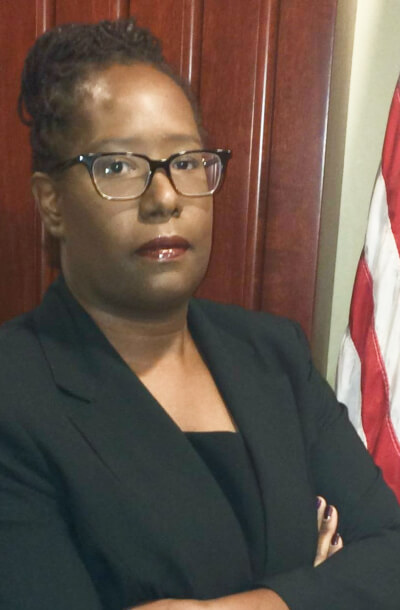
Heather C. Ford is the founder and Managing Attorney at Ford Injury Firm, a reputable Shreveport-based law firm focused on personal injury, traffic violations, and misdemeanor cases. A proud Louisiana native, Heather earned her bachelor’s degree in Chemistry from Dillard University before obtaining her Juris Doctor from Loyola University New Orleans.
At Ford Injury Firm, Heather leverages her extensive knowledge of Louisiana law to offer personalized and aggressive representation to clients facing a range of legal challenges. Whether dealing with the aftermath of car, truck, motorcycle, or pedestrian accidents, or addressing traffic-related charges such as speeding tickets and DUI/DWI offenses, Heather is dedicated to protecting her clients’ rights and securing the best possible outcomes.