Who Pays My Medical Bills After a Car Accident in Louisiana?

After a car accident in Louisiana, the medical bills start arriving fast. Emergency room visits, imaging scans, follow-up appointments, physical therapy. The costs add up quickly, and when you’re dealing with pain and recovery, the last thing you should be worrying about is who’s going to pay for it all.
Knowing how medical bills after a car accident in Louisiana get handled is one of the first and most important steps in protecting your financial future.
The answer isn’t as simple as “the other driver’s insurance covers everything.” Several sources of payment may come into play, and timing matters more than most people realize.
Louisiana Is a Fault-Based State for Car Accidents
Louisiana follows a fault-based system, which means the driver who caused the accident is legally responsible for the damages. Under Louisiana Civil Code Article 2315, the at-fault driver must compensate the injured person for their losses, including medical expenses.
In practice, this means the at-fault driver’s liability insurance should cover your medical bills. But “should” and “will” are two very different things when insurance companies are involved.
Insurance adjusters are trained to reduce payouts.
They may:
- dispute over who was at fault
- question whether your treatment was necessary
- argue that a pre-existing condition caused your symptoms
Having legal representation early in the process can prevent these tactics from costing you the compensation you need.
Your Health Insurance Can Cover Treatment Now
Most car accident injury claims take time to resolve. You may be waiting weeks or months before a settlement is reached, and your medical providers want payment now.
Your personal health insurance can cover accident-related treatment while your claim is pending. This is often the best way to ensure you get the care you need without delaying treatment.
There’s one important detail:
If your health insurer pays for accident-related treatment, they may have a right to be reimbursed from your settlement later.
This is called subrogation, and it’s something your attorney should handle as part of your case to make sure you keep as much of your recovery as possible.
MedPay Coverage Under Your Auto Policy
Medical Payments coverage (MedPay) is an optional part of Louisiana auto insurance policies. If you carry it, MedPay pays for your medical expenses regardless of who caused the accident.
Key things to know about MedPay:
- It covers you and your passengers
- It pays regardless of fault
- Common limits are $1,000 to $10,000
- It can cover emergency room bills, ambulance fees, and follow-up treatment
- It typically pays quickly with minimal hassle
MedPay won’t cover the full cost of a serious injury, but it can bridge the gap while your claim against the at-fault driver moves forward. Check your policy or ask your attorney to review it.
What About Uninsured or Underinsured Drivers?
Louisiana has one of the highest rates of uninsured drivers in the country. If the person who hit you has no insurance or not enough to cover your bills, your own uninsured/underinsured motorist (UM/UIM) coverage becomes critical.
Under Louisiana Revised Statute 22:1295, UM/UIM coverage is offered with every auto policy in the state. You may have signed a waiver reducing or rejecting it when you purchased your policy.
If you kept it, this coverage pays for your medical bills, lost wages, and pain and suffering when the at-fault driver can’t.
If you’re not sure whether you have UM/UIM coverage, your attorney can pull your policy and review it.
Can You Use Letters of Protection for Treatment?
A letter of protection (LOP) is an agreement between your attorney and your medical provider. The provider agrees to treat you now and accept payment later, from your settlement or verdict.
LOPs are commonly used in Louisiana personal injury cases when:
- You don’t have health insurance
- Your health insurance won’t cover accident-related care
- You need treatment from a specialist who doesn’t accept your insurance
- You’ve exhausted your MedPay coverage
This arrangement ensures you get the treatment you need without out-of-pocket costs during your case.
Not every provider accepts LOPs, but an experienced attorney will know which providers in Shreveport and across Louisiana work with them regularly.
The At-Fault Driver’s Insurance Process
Filing a claim against the at-fault driver’s liability insurance is the primary way to recover your medical costs. But this process has timelines and limitations you should understand.
- The at-fault driver’s insurer will not pay your bills as they come in.
- They typically pay in a lump sum after the claim is resolved, either through settlement or a court judgment.
That means you need other coverage in the meantime.
You should also know that Louisiana applies comparative fault under Civil Code Article 2323. If you’re found partially at fault for the accident, your compensation is reduced by your percentage of fault.
For accidents on or after January 1, 2026, Louisiana’s modified comparative fault rule means you cannot recover anything if you are more than 50% at fault.
What If the Insurance Company Refuses to Pay?
It happens. Insurance companies deny claims, delay payments, and make lowball offers, hoping you’ll accept less than what your case is worth.
Louisiana law holds insurers accountable when they act in bad faith. Under Louisiana Revised Statute 22:1892, insurers must pay undisputed claims within 30 days.
If they fail to do so without a legitimate reason, they may owe you penalties and attorney fees on top of your original claim.
This is another reason having legal representation matters. Insurance companies take claims more seriously when an attorney is involved.
Protect Your Right to Recover Medical Bills After a Louisiana Car Accident
The most important thing you can do after a car accident in Louisiana is act quickly. Seek medical treatment right away, even if your symptoms feel minor. Follow your doctor’s treatment plan. Keep every receipt, bill, and record related to your care.
And talk to an attorney before you talk to any insurance company. What you say in those early conversations can affect your entire claim.
At Ford Injury Firm, we help car accident victims across Louisiana understand their options and fight for the compensation they need to cover medical bills, lost wages, and the full impact of their injuries.
Contact Ford Injury Firm today for a consultation.
Author Bio
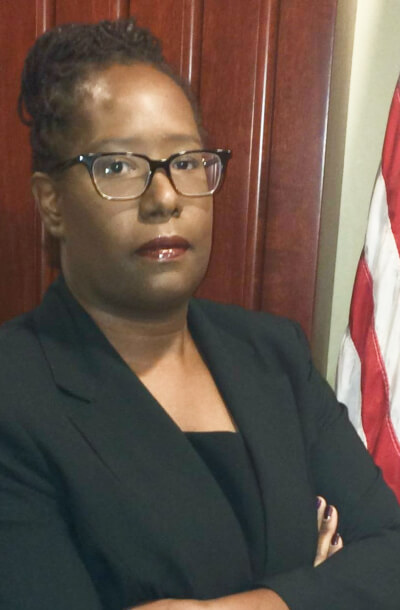
Heather C. Ford is the founder and Managing Attorney at Ford Injury Firm, a reputable Shreveport-based law firm focused on personal injury, traffic violations, and misdemeanor cases. A proud Louisiana native, Heather earned her bachelor’s degree in Chemistry from Dillard University before obtaining her Juris Doctor from Loyola University New Orleans.
At Ford Injury Firm, Heather leverages her extensive knowledge of Louisiana law to offer personalized and aggressive representation to clients facing a range of legal challenges. Whether dealing with the aftermath of car, truck, motorcycle, or pedestrian accidents, or addressing traffic-related charges such as speeding tickets and DUI/DWI offenses, Heather is dedicated to protecting her clients’ rights and securing the best possible outcomes.