Dog Bite Settlements in Shreveport, Louisiana
There is no average dog bite settlement worth quoting. The published figures mix a single stitch in an urgent care clinic with facial reconstruction on a six-year-old, and averaging those produces a number that describes neither.
What is worth knowing is which facts move the figure, and why the timing of these claims works differently from most injury cases.
What Drives the Value
Severity and treatment required. A wound closed in urgent care and one requiring surgical repair are different claims entirely.
Whether reconstruction is needed. Plastic surgery, staged across months or years, is frequently the largest medical component.
Permanence and visibility of scarring. This is usually the single biggest factor. A permanent scar on the forearm and one on the face carry very different values, and that is reflected in Louisiana awards. More on scarring as a damages category.
Infection and complications. Bite wounds carry a high infection rate, and an infection that escalates to hospitalization changes the case.
Nerve and tendon damage. Hand and arm bites frequently affect function permanently.
Age of the victim. A facial scar on a young child carries a lifetime of effect and repeated revision as they grow. These are valued accordingly.
Psychological harm. Post-traumatic stress and lasting fear of dogs are common after an attack and are separately compensable.
Lost income and earning capacity. Including for anyone whose work involves appearance or manual dexterity.
Available insurance coverage. Often the real ceiling.
Who Actually Pays
Almost always the owner’s homeowner’s or renter’s insurance policy. Dog bite liability is standard coverage, though some carriers exclude specific breeds or impose a sublimit after a prior incident.
If the owner is a tenant, a renter’s policy may respond. A landlord can sometimes share responsibility where they knew about a dangerous animal and could have acted.
If no policy exists, recovery depends on the owner’s personal assets, which is a harder road. Finding out early which situation you are in prevents months spent on a claim with nothing behind it.
Why These Claims Should Settle Late
Scars take twelve to eighteen months to mature. Before then they change color, flatten or thicken, and either fade or do not.
No plastic surgeon can give a meaningful opinion on permanent appearance, or on what revision would require, until the scar has matured. Which means nobody can value the claim before then either.
This is the most common way dog bite claims settle short. An offer arrives in month two covering the emergency room visit, the wound still looks like a healing injury rather than a permanent feature, and the figure reflects the bills on the table. A release signed then covers the reconstruction nobody has planned yet. You are never obligated to accept a settlement offer.
For a child the horizon is longer still, because growth changes how a scar presents and revision is frequently staged across years.
The Two Defenses That Affect Value
Louisiana holds dog owners strictly liable under La. Civil Code art. 2321, which puts injured people in a stronger position here than in most states. You do not have to prove carelessness and you do not have to prove a prior bite.
Two things still have to hold, and both affect what a claim is worth:
Provocation. If the injured person provoked the dog, strict liability does not apply. Expect it to be raised, and expect it to be framed broadly.
Preventability. The owner must have been able to prevent the injury. A dog that escaped a secure, well-maintained enclosure presents a different case from one roaming loose.
Our dog bite page covers how each gets argued, and our guide on whether you can sue for a dog bite goes through the elements.
Fault Still Reduces the Figure
Under La. Civil Code art. 2323 your recovery is reduced by your share of fault. Since January 1, 2026, a person found 51 percent or more at fault recovers nothing at all.
That change matters here more than in most categories, because provocation and comparative fault overlap. An argument that once only discounted a claim can now end it.
What Can Be Recovered
Recoverable damages include medical expenses past and future, lost wages, pain and suffering, emotional distress, scarring and disfigurement, and loss of enjoyment of life.
The Deadline
La. Civil Code art. 3493.1 gives you two years from the date of the attack, effective July 1, 2024. Louisiana previously allowed one year under art. 3492, now repealed. See the Louisiana filing deadline.
Claims for an injured child follow different timing. The tension worth noting is that scars mature at twelve to eighteen months while the deadline runs at twenty-four, which is why these claims belong with a lawyer early even though they resolve late.
Talk to a Shreveport Dog Bite Lawyer
A review is worth having even if you are unsure about making a claim against someone you know. Finding out whether the owner’s policy covers it usually settles that question, and it costs nothing to find out.
If you or your child was bitten in Shreveport, Bossier City, or anywhere in Caddo Parish, contact Ford Injury Firm for a free case review.
Author Bio
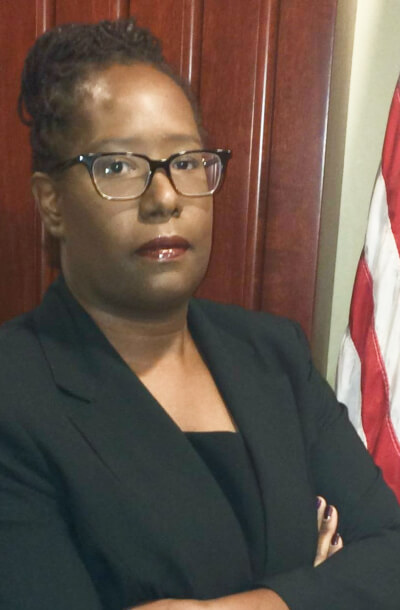
Heather C. Ford is the founder and Managing Attorney at Ford Injury Firm, a reputable Shreveport-based law firm focused on personal injury, traffic violations, and misdemeanor cases. A proud Louisiana native, Heather earned her bachelor’s degree in Chemistry from Dillard University before obtaining her Juris Doctor from Loyola University New Orleans.
At Ford Injury Firm, Heather leverages her extensive knowledge of Louisiana law to offer personalized and aggressive representation to clients facing a range of legal challenges. Whether dealing with the aftermath of car, truck, motorcycle, or pedestrian accidents, or addressing traffic-related charges such as speeding tickets and DUI/DWI offenses, Heather is dedicated to protecting her clients’ rights and securing the best possible outcomes.