What is a Demand Letter in a Car Accident Case?

A demand letter is the written package your side sends to the insurance company laying out how the crash happened, why its driver was at fault, what your injuries and losses are, and the specific dollar amount you are demanding to settle. It usually comes with supporting documentation, and it formally opens settlement negotiations.
It is also the moment your claim stops being a phone conversation and becomes a documented case the insurer has to evaluate. Here is what goes in one and what happens after it lands.
What Goes in a Car Accident Demand Letter?
A strong demand letter is organized and specific. It generally covers:
- The facts of the crash, including date, time, location, and how it happened
- Liability, explaining why the insurer’s driver was at fault and citing any traffic law violated
- Your injuries, with the diagnoses and treatment described in plain terms
- Medical treatment and bills, itemized
- Lost income, documented with employer records or tax returns
- Future care and future lost earnings, where your doctors project them
- Pain and suffering and how the injury changed your daily life
- A specific settlement demand, with a response deadline
- Attached documentation supporting each category
Vague demands invite low offers. Specific ones, backed by records, are much harder to dismiss.
When Should a Demand Letter Be Sent?
Usually after you reach maximum medical improvement, meaning your condition has stabilized and your doctors can describe your final outcome and any future needs.
Sending too early is the most common mistake. If you demand a number before you know whether you need surgery, you are guessing, and you will almost always guess low. The insurer will happily accept a bargain based on incomplete information.
Sending too late has its own risk. You generally have two years from the crash to file suit under Civil Code article 3493.1, and negotiation does not pause that clock. A demand letter is not a lawsuit and does not extend your deadline.
Does a Demand Letter Start a Legal Clock?
It can, and this is where the law changed recently.
Louisiana repealed Revised Statute 22:1973 effective July 1, 2024 and consolidated insurer good faith duties into Revised Statute 22:1892. Many articles still cite the repealed statute, so be careful what you read.
Under current law, an insurer owes its insured a duty of good faith and fair dealing, including an affirmative duty to adjust claims fairly and promptly and to make a reasonable effort to settle. Insurers generally must pay a claim due to an insured within 30 days after receipt of satisfactory proof of loss. Where the failure to pay is arbitrary, capricious, or without probable cause, penalties can reach 50 percent of the amount owed, or $5,000, whichever is greater, plus proven economic damages, attorney fees, and costs.
A well-documented demand letter is how “satisfactory proof of loss” gets established. That is a practical reason to make the package complete rather than sending a one-page letter naming a number.
One important limit. Those duties run to the insurer’s own insured. If you are demanding from your own carrier, including on an uninsured motorist claim, this framework matters directly. If you are a third party demanding from the at-fault driver’s insurer, your leverage is mainly the underlying claim and your willingness to file suit.
What Happens After You Send a Demand Letter?
Expect a process, not an immediate check.
- Acknowledgment, typically within days to a couple of weeks
- Review, where the adjuster evaluates liability, treatment, and documentation
- Requests for more information, which are routine and sometimes a delay tactic
- A counteroffer, usually well below the demand
- Negotiation, often several rounds
- Resolution or suit, depending on whether the numbers converge
If the response is silence or an unreasonably low number, filing suit becomes the realistic path. Here is how long a Louisiana car accident case takes. Many claims settle after filing, once the insurer sees the case is being pursued seriously.
What Should You Avoid Putting in a Demand Letter?
The letter is evidence of your position, so what it says matters.
- Do not exaggerate. Revised Statute 22:1892 now also lists policyholder conduct that breaches good faith, including submitting claims or estimates lacking a basis or evidentiary support. Overstating a claim can hand the insurer a defense.
- Do not guess at future costs. Base them on what your providers actually document.
- Do not omit prior injuries. The insurer will find them in your records, and concealment damages your credibility more than the prior injury does.
- Do not admit fault or speculate about what you could have done differently.
- Do not attach records you have not read, since inconsistencies in your own file become the insurer’s argument.
Can You Write a Demand Letter Yourself?
You can, and for a minor property damage claim it often makes sense.
The difficulty with an injury claim is valuation. Adjusters evaluate hundreds of claims and know the ranges. Most people write one demand letter in their lifetime, usually without knowing what similar injuries settle for or how to document future care and lost earning capacity.
The two categories most often left out entirely are future medical treatment and reduced earning capacity. Those are frequently the largest parts of a serious claim, and once you settle, you cannot go back for them.
FAQ
How long does an insurer take to respond to a demand letter?
Commonly two to six weeks, though complex claims take longer. Follow up in writing if the response stalls.
Is a demand letter legally binding?
No. It opens negotiation. Nothing binds either side until a settlement is agreed and a release is signed.
What if the insurer ignores my demand letter?
Document the follow-ups. Persistent silence is usually a signal that filing suit is the next step.
Should I demand more than I expect to get?
Demands typically start above the target to leave negotiating room, but a number untethered from your documentation damages credibility.
Does sending a demand letter extend my filing deadline?
No. The two-year period keeps running throughout negotiation.
Getting Your Demand Package Right for Your Shreveport Car Accident Claim
A demand letter is your one clean shot at framing the claim before the insurer sets its number. Everything after it is a negotiation against that first impression.
If you are preparing to make a demand after a Louisiana crash, our Shreveport car accident lawyers can build the package, document future costs your records support, and handle the negotiation. Contact the firm for a free case review before you send anything.
Content reviewed by the personal injury team at the Law Office of Heather C. Ford.
Author Bio
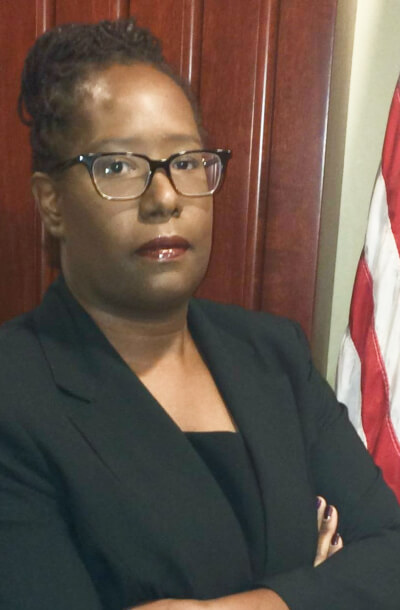
Heather C. Ford is the founder and Managing Attorney at Ford Injury Firm, a reputable Shreveport-based law firm focused on personal injury, traffic violations, and misdemeanor cases. A proud Louisiana native, Heather earned her bachelor’s degree in Chemistry from Dillard University before obtaining her Juris Doctor from Loyola University New Orleans.
At Ford Injury Firm, Heather leverages her extensive knowledge of Louisiana law to offer personalized and aggressive representation to clients facing a range of legal challenges. Whether dealing with the aftermath of car, truck, motorcycle, or pedestrian accidents, or addressing traffic-related charges such as speeding tickets and DUI/DWI offenses, Heather is dedicated to protecting her clients’ rights and securing the best possible outcomes.