How Do Louisiana Pain and Suffering Damages Work?

Pain and suffering damages in Louisiana pay you back for the physical pain, emotional distress, and loss of enjoyment of life caused by an injury. They are part of what the law calls general damages. In most injury cases, including car accidents, slip and falls, and defective products, Louisiana puts no dollar limit on pain and suffering damages. A judge or jury decides the amount based on how the injury changed your daily life.
That sounds simple. In practice, the value of these damages is where insurance companies push hardest to pay you less.
What Are Pain and Suffering Damages in Louisiana?
Louisiana splits injury compensation into two buckets.
- Special damages are your measurable financial losses. Medical bills, lost wages, and property damage all have receipts or records behind them.
- General damages cover losses that do not come with a price tag. Pain and suffering lives here, along with mental anguish, scarring, disability, and loss of enjoyment of life.
Pain and suffering is meant to compensate you, not to punish the other side. Louisiana rarely allows punitive damages. They show up only when a specific statute permits them, such as injuries caused by a drunk driver under Civil Code article 2315.4. For a typical crash or fall, your recovery is compensatory.
The right to recover flows from Louisiana Civil Code article 2315, which says anyone whose fault causes damage to another must repair it. That includes the human cost, not just the bills.
Is There a Cap on Pain and Suffering Damages in Louisiana?
For most injury claims, no. Car accidents, premises liability, and defective product cases have no cap on pain and suffering.
Two exceptions carry a $500,000 limit.
- Medical malpractice claims. Total damages are capped at $500,000 under Louisiana Revised Statute 40:1231.2, though future medical care is paid separately through the Patient’s Compensation Fund.
- Claims against a government agency. Recovery from a state or local entity is limited to $500,000 under Revised Statute 13:5106.
If your injury came from a private driver or business, these caps do not apply to you.
How Do Insurance Companies Value Pain and Suffering?
There is no formula in Louisiana law that sets a dollar figure for pain and suffering. Juries decide case by case, and appeals courts leave those awards alone unless they are clearly unreasonable.
Insurance adjusters still use their own shortcuts. A common one is the multiplier method, where the adjuster totals your medical bills and multiplies by a number, often between 1.5 and 5, based on how severe the injury looks. This is a negotiating habit, not the law. The multiplier is a starting point the insurer uses to anchor low.
The factors that actually move the value include:
- The type and severity of your injury
- How long recovery takes, and whether the damage is permanent
- Whether you need surgery or ongoing treatment
- The effect on your job, hobbies, and family life
- Scarring, disfigurement, or lasting disability
- Documented anxiety, depression, or PTSD
Strong medical records and consistent treatment do more to raise this number than any argument. Gaps in care give the insurer room to claim you were not really hurt. If your injuries appeared days after the crash, prompt documentation matters even more.
How Does Comparative Fault Affect Your Pain and Suffering Award?
This is where 2026 changed the math. As of January 1, 2026, Louisiana uses a modified comparative fault rule under Civil Code article 2323, amended by Act 15 of 2025.
Here is what it means for your recovery:
- If you are less than 51% at fault, your damages are reduced by your share. Forty percent at fault on a $100,000 claim leaves you $60,000.
- If you are 51% or more at fault, you recover nothing.
For decades, Louisiana let injured people recover even when they were mostly to blame. That is over. Now a single percentage point can decide whether you collect anything. Expect insurers to work harder than ever to pin extra blame on you, because pushing you past that 51% line erases their bill entirely.
That shift makes early evidence, such as the police report, photos, and witness names, far more valuable to your claim.
How Long Do You Have to File a Claim in Louisiana?
You generally have two years from the date of the injury to file a lawsuit. Louisiana extended this deadline from one year to two under Civil Code article 3493.1, effective July 1, 2024.
Two years feels like a lot until evidence fades and witnesses move. Waiting also lets an insurer argue your injuries were not serious. Acting early protects both your health and the value of your pain and suffering claim.
FAQ
Is pain and suffering separate from medical bills?
Yes. Medical bills are special damages. Pain and suffering is a general damage that compensates the physical and emotional toll on top of your out-of-pocket costs.
Can I get pain and suffering if I was partly at fault?
Yes, as long as your share of fault is under 51%. Your award is reduced by your percentage of fault. At 51% or more, you recover nothing.
Does Louisiana cap pain and suffering damages?
Not in ordinary injury cases. The $500,000 cap applies only to medical malpractice and claims against government entities.
How is pain and suffering proven?
Through medical records, treatment history, photos, journals, and testimony from you, your doctors, and people who know you. Consistent documentation carries the most weight.
Do I need an attorney to recover pain and suffering?
You are not required to have one, but insurers routinely undervalue these damages. A lawyer can document the full impact and counter lowball tactics.
Talk to a Shreveport Injury Lawyer About Your Claim
Pain and suffering is often the largest part of an injury claim, and it is the part insurers work hardest to shrink. If you were hurt in a crash or on someone else’s property, the personal injury team at the Law Office of Heather C. Ford can put a real value on what you have been through. Contact us for a free case review before you accept any offer.
Author Bio
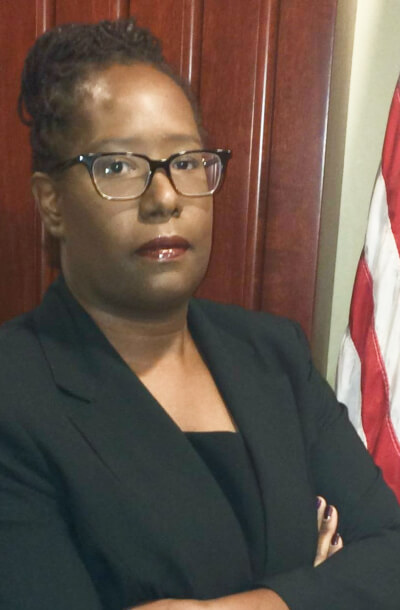
Heather C. Ford is the founder and Managing Attorney at Ford Injury Firm, a reputable Shreveport-based law firm focused on personal injury, traffic violations, and misdemeanor cases. A proud Louisiana native, Heather earned her bachelor’s degree in Chemistry from Dillard University before obtaining her Juris Doctor from Loyola University New Orleans.
At Ford Injury Firm, Heather leverages her extensive knowledge of Louisiana law to offer personalized and aggressive representation to clients facing a range of legal challenges. Whether dealing with the aftermath of car, truck, motorcycle, or pedestrian accidents, or addressing traffic-related charges such as speeding tickets and DUI/DWI offenses, Heather is dedicated to protecting her clients’ rights and securing the best possible outcomes.