Do I Have to Accept the Insurance Company’s Settlement Offer?

No. You are never required to accept an insurance company’s settlement offer. A first offer is a starting position, not a final number, and you can reject it, counter it, or file suit if the insurer will not move. Once you sign a release, though, the claim is closed permanently, even if you later learn your injuries were worse than anyone knew.
That finality is the whole reason insurers push early offers. Here is how to evaluate one and what leverage you actually have.
Why is the First Offer Usually Low?
Because early settlements are cheap and final. An adjuster who resolves your claim before you finish treatment pays for the medical bills you have today, not the surgery you might need in six months.
Common reasons a first offer comes in low:
- Your treatment is not finished, so the full cost is unknown
- The offer covers medical bills but little or nothing for pain and suffering
- Future medical care and lost earning capacity are left out entirely
- The adjuster is testing whether you know what the claim is worth
- The insurer is betting that financial pressure makes you say yes
None of that means the adjuster is behaving improperly. It means their job is to close claims economically, and yours is to be paid fully.
What Should You Check Before Accepting Any Offer?
Run through this list before you sign anything:
- Have you reached maximum medical improvement? If your doctors do not yet know your final condition, nobody can value the claim.
- Does the offer include future treatment? Surgery, injections, and therapy have real costs.
- Are lost wages fully counted, including overtime, tips, and reduced earning capacity?
- Is pain and suffering included, and is the amount realistic for your injury?
- Have medical liens been addressed? Unpaid providers and health insurers may claim reimbursement from your settlement. Start with who pays your medical bills.
- What exactly does the release cover? Some releases are written broadly enough to close claims you did not intend to settle.
Louisiana does not cap pain and suffering in ordinary injury cases. The $500,000 cap you may read about applies to medical malpractice and claims against government entities, not to a crash caused by another driver.
What Happens If You Reject the Offer?
Usually a negotiation, not a catastrophe. Rejecting an offer does not forfeit your claim or void your coverage.
The normal sequence is a demand letter with supporting documentation, a counteroffer, more negotiation, and either agreement or a lawsuit. Filing suit does not mean going to trial. Most cases still settle, often on better terms once the insurer sees you are prepared to litigate.
What you cannot do is wait forever. You generally have two years from the crash to file suit under Civil Code article 3493.1. Miss that and your leverage disappears completely, because an insurer has no reason to pay a claim that can no longer be filed.
Can You Force the Insurance Company to Pay Fairly?
There are limits, but Louisiana does impose duties on insurers, and they were restructured recently.
Effective July 1, 2024, Louisiana repealed Revised Statute 22:1973 and consolidated insurer good faith duties into Revised Statute 22:1892. That matters because many articles online still cite the repealed statute and its old double-damages penalty, which no longer exists.
Under the current law:
- An insurer owes its insured a duty of good faith and fair dealing, including an affirmative duty to adjust claims fairly and promptly and make a reasonable effort to settle.
- Insurers generally must pay a claim due to an insured within 30 days after receiving satisfactory proof of loss.
- Where the failure to pay is arbitrary, capricious, or without probable cause, penalties can reach 50 percent of the amount owed, or $5,000, whichever is greater, plus proven economic damages, attorney fees, and costs.
Read that first bullet closely. The duty runs to the insurer’s own insured. If you are dealing with your own carrier, including on an uninsured motorist claim, these protections are strongest. If you are dealing with the at-fault driver’s insurer as a third party, your remedies are narrower, and the practical pressure comes from your willingness to file suit.
Can Your Own Conduct Hurt Your Claim?
Yes, and this is newer than most people realize. The 2024 changes also added duties running the other direction.
Revised Statute 22:1892 now lists conduct by a policyholder that breaches their own good faith obligations, including failing to comply with contractual duties, misrepresenting pertinent facts or policy provisions, and submitting claims or estimates that lack a basis for coverage or evidentiary support.
The lesson is simple. Document your losses accurately and completely, and do not inflate them. An exaggerated claim gives the insurer a defense it did not have to earn.
What If You Already Accepted an Offer?
A signed release is very difficult to undo. Louisiana treats a settlement as a compromise that ends the dispute.
Narrow exceptions can exist, such as fraud or a genuine error about what was being settled, but these are hard to prove and rarely succeed. Treat the release as permanent, because it usually is.
If you have been presented with paperwork and have not signed it, that is the moment to get advice. After you sign, your options shrink dramatically.
FAQ
How long do I have to accept a settlement offer?
Offers often carry informal deadlines, which are negotiating tactics rather than legal ones. Your real deadline is the two-year period to file suit.
Will the offer be withdrawn if I counter?
Countering is a normal part of claims handling. Insurers expect it.
Can I negotiate without a lawyer?
You can. The difficulty is knowing what the claim is worth, which is exactly the information the adjuster has and you do not.
Does hiring a lawyer mean going to court?
No. Most claims still resolve through negotiation. Being ready to file often improves the offer.
What if the insurer will not move at all?
Then filing suit becomes the leverage. That decision should be made well before the deadline approaches.
Deciding Whether an Offer Is Fair
An offer is only fair if it accounts for everything the crash cost you, including what it will cost you next year. Nobody can tell you that from a phone call three weeks after the wreck.
Before you sign, let our Shreveport car accident lawyers review the offer and tell you what your claim is actually worth. The review is free, and the release is forever.
Author Bio
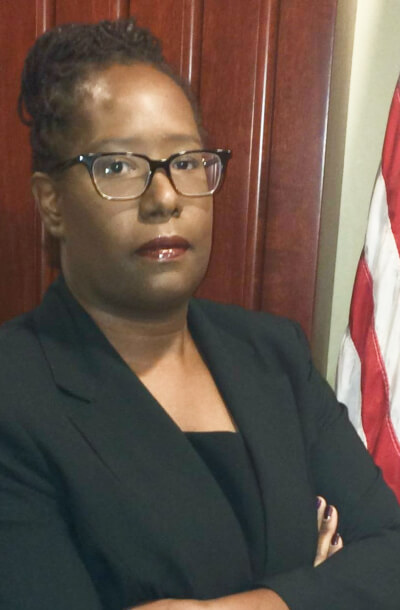
Heather C. Ford is the founder and Managing Attorney at Ford Injury Firm, a reputable Shreveport-based law firm focused on personal injury, traffic violations, and misdemeanor cases. A proud Louisiana native, Heather earned her bachelor’s degree in Chemistry from Dillard University before obtaining her Juris Doctor from Loyola University New Orleans.
At Ford Injury Firm, Heather leverages her extensive knowledge of Louisiana law to offer personalized and aggressive representation to clients facing a range of legal challenges. Whether dealing with the aftermath of car, truck, motorcycle, or pedestrian accidents, or addressing traffic-related charges such as speeding tickets and DUI/DWI offenses, Heather is dedicated to protecting her clients’ rights and securing the best possible outcomes.