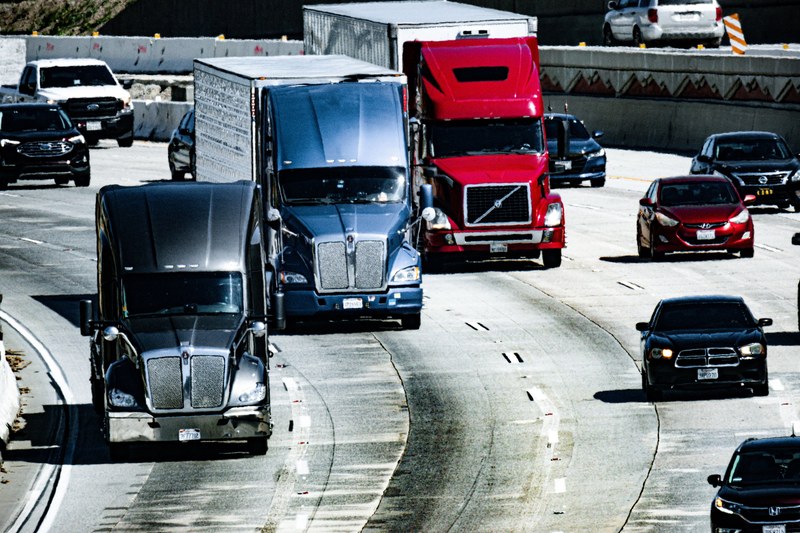
Who Is Liable in a Louisiana Truck Accident?

Usually more than one party. In a Louisiana truck accident, liability can reach the truck driver, the motor carrier, the owner of the tractor or trailer, the company that loaded the cargo, a maintenance shop, a parts manufacturer, and in some cases the freight broker that arranged the load. Each of them may carry separate insurance.
That matters because of how Louisiana divides fault. Every party’s share is assigned separately, and a responsible company that never gets named in the claim can leave its share unpaid. Finding everyone early is what separates a fully paid claim from one that runs out of coverage.
Is the Truck Driver Liable?
Often, yes. The driver is responsible for their own negligence, such as speeding, following too closely, using a phone, or driving past federal hours-of-service limits. Proof usually comes from the electronic logging device, the engine control module, dashcam footage, and the crash report.
The driver is rarely the only defendant, though, and almost never the one with the most coverage.
When Is the Trucking Company Responsible?
Louisiana makes employers answerable for the harm their employees cause while doing their jobs. Under Civil Code article 2320, a motor carrier is generally liable when its driver causes a crash in the course and scope of employment. This is called vicarious liability.
The carrier can also be liable for its own mistakes. Claims for negligent hiring, training, supervision, retention, and entrustment focus on what the company did before the crash, such as putting a driver with a poor safety history behind the wheel or ignoring logbook violations.
Carriers used to shut those claims down by admitting the driver was on the job. The Louisiana Supreme Court rejected that tactic in Martin v. Thomas (2022), a case that came up through the Second Circuit Court of Appeal, which covers Shreveport. An injured person can now pursue both the vicarious claim and the direct negligence claims, even when the carrier concedes its driver was working. That opens the door to the company’s hiring files, training records, and safety practices.
Can the Owner of the Truck or Trailer Be Liable?
Sometimes. Tractors and trailers are often owned by different companies and leased to the carrier that runs them. An owner can share fault when it supplied equipment it knew or should have known was unsafe, such as a trailer with worn brakes or failed lights.
Lease and interchange agreements also decide which company’s insurance responds first. Those documents get requested early for that reason.
What About the Company That Loaded the Cargo?
Shifting or overloaded cargo causes rollovers, jackknifes, and spilled loads. Federal cargo securement rules in 49 C.F.R. Part 393 set the standards for how freight is tied down. When a shipper or loading company packed and sealed the trailer, and the driver had no real way to inspect the load, the loader can carry part of the fault.
Can a Freight Broker Be Held Liable?
Yes, and this changed in 2026. Brokers arrange shipments and choose which carrier hauls them. For years, brokers argued that federal transportation law shielded them from claims that they hired an unsafe carrier.
On May 14, 2026, the U.S. Supreme Court unanimously rejected that argument in Montgomery v. Caribe Transport II. The Court held that state-law negligent selection claims against brokers fall within the federal statute’s safety exception, so they are not preempted.
The ruling does not make brokers automatically liable. An injured person still has to show the broker was careless in choosing the carrier, for example by booking a company with a poor federal safety record. But brokers can no longer rely on preemption to avoid the question, and many carry substantial insurance.
Maintenance Shops, Manufacturers, and Road Conditions
Other parties come into play depending on what caused the crash.
- Maintenance and repair shops can be liable for faulty brake work, tire service, or inspections. Carriers must also keep their own inspection and repair records under 49 C.F.R. Part 396.
- Manufacturers of the truck or a component can be liable under the Louisiana Products Liability Act when a defect in design, construction, or warnings contributed.
- Public entities responsible for a dangerous road can share fault under R.S. 9:2800. These claims require proof that the entity knew or should have known about the defect, and damages against public bodies are subject to statutory limits.
How Does Fault Get Divided Among Them?
Louisiana assigns every party a percentage of fault under Civil Code article 2323. In most cases, each defendant pays only its own share rather than the whole judgment.
For crashes on or after January 1, 2026, Louisiana also applies a 51 percent bar. An injured person found 51 percent or more at fault recovers nothing. Carriers know this, which is why comparative fault arguments start almost as soon as the wreck is cleared.
Two practical effects follow. Trucking companies work hard to shift blame onto the car driver, and every responsible party left out of the claim creates a gap in what can be collected.
Why the Insurance Picture Matters
Louisiana’s minimum auto liability limits are $15,000 per person and $30,000 per accident. Interstate carriers hauling general freight must carry at least $750,000 under 49 C.F.R. 387.9, with higher minimums for oil and certain hazardous materials. Brokers, shippers, and manufacturers bring their own policies.
When the damages from a serious crash exceed the liability coverage available, your own underinsured motorist coverage can fill part of the gap.
What Evidence Shows Who Is Responsible?
The records that identify each party sit with the companies involved, and much of it is kept only for limited periods.
- Engine control module data showing speed, braking, and throttle
- Electronic logging device and hours-of-service records
- The driver qualification file, including licensing, medical certification, and prior violations
- Maintenance, inspection, and repair records
- Bills of lading and loading documents
- The broker-carrier agreement and rate confirmation
- Lease and interchange agreements for the tractor and trailer
- Dashcam video and dispatch messages
A preservation letter puts each company on written notice to keep this material. The photos, witness names, and tractor and trailer numbers you gather after being hit by an 18-wheeler help connect each record to the right company. Hotshot, oilfield, and farm truck crashes add layers of their own, because the vehicle may fall under different rules than a standard tractor-trailer.
You have two years from the crash to file suit under Civil Code article 3493.1. Negotiating with the carrier’s insurer does not pause that deadline.
Talk to a Shreveport Truck Accident Lawyer
Truck cases are won by finding everyone who contributed and getting their records before they disappear. Our Shreveport truck accident lawyers investigate every party, from the driver to the broker, and deal with the insurers while you recover. Contact us for a case review.
Author Bio
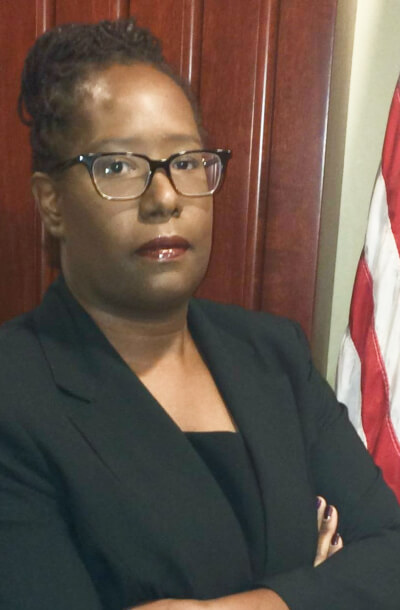
Heather C. Ford is the founder and Managing Attorney at Ford Injury Firm, a reputable Shreveport-based law firm focused on personal injury, traffic violations, and misdemeanor cases. A proud Louisiana native, Heather earned her bachelor’s degree in Chemistry from Dillard University before obtaining her Juris Doctor from Loyola University New Orleans.
At Ford Injury Firm, Heather leverages her extensive knowledge of Louisiana law to offer personalized and aggressive representation to clients facing a range of legal challenges. Whether dealing with the aftermath of car, truck, motorcycle, or pedestrian accidents, or addressing traffic-related charges such as speeding tickets and DUI/DWI offenses, Heather is dedicated to protecting her clients’ rights and securing the best possible outcomes.