How Does Comparative Fault Work in Louisiana Car Accidents?

One of the first things an insurance adjuster will try to do after your car accident is blame you. Even partially. Because in Louisiana, fault isn’t always black and white, and even a small percentage of blame assigned to you can reduce your compensation by thousands of dollars.
Understanding how Louisiana comparative fault in a car accident works is essential to protecting your claim. The rules are straightforward, but insurance companies use them aggressively, and knowing how to push back makes a real difference in your recovery.
What Is Comparative Fault in Louisiana?
Louisiana follows a comparative fault system under Civil Code Article 2323.
This means that when more than one person contributes to an accident, each person is assigned a percentage of fault. Your compensation is then reduced by your share of the blame.
Here’s how it works in practice:
If a jury determines your total damages are $100,000, but you were 30% at fault for the accident, your recovery is reduced to $70,000. The at-fault driver’s share is based on their percentage of responsibility.
This system applies to all car accident claims in Louisiana, whether the case is settled through insurance or resolved at trial.
The 50% Threshold That Can End Your Claim
As of January 1, 2026, Louisiana follows a modified comparative fault system under House Bill 431.
If you are found to be 51% or more at fault for the accident, you recover nothing. Before this change, Louisiana was a pure comparative fault state, meaning you could recover even at high fault percentages (just reduced proportionally).
This threshold makes the fault determination one of the most important parts of any car accident case filed today.
Insurance companies know this, and they routinely try to push your fault percentage above 50% to avoid paying your claim entirely.
Even a few percentage points can mean the difference between a full recovery and walking away with nothing.
This is why having a lawyer who understands Louisiana comparative fault in car accident cases matters from day one.
How Insurance Companies Use Comparative Fault Against You
Insurance adjusters are trained to find ways to shift blame. They start building their case against you from the moment you file a claim.
Common tactics include:
- Using your own statements against you. Anything you say to the adjuster, including “I didn’t see them coming” or “I might have been going a little fast,” gets recorded and used to argue you contributed to the accident.
- Twisting medical records. If you had prior injuries in the same area of your body, they’ll argue your current symptoms aren’t from the accident.
- Disputing your account of the accident. Even when the police report supports your version, adjusters will look for inconsistencies or alternative explanations.
- Blaming road conditions or visibility. They may argue you should have been driving more cautiously given the weather, time of day, or road conditions.
- Using social media posts. Photos of you being active after the accident can be used to argue you weren’t seriously injured or that you were at fault.
Every one of these tactics is designed to increase your fault percentage and reduce what they pay. Having legal representation protects you from these strategies.
What Evidence Determines Fault Percentages?
Fault in a Louisiana car accident is determined by looking at all available evidence. The stronger your evidence, the lower your fault percentage, and the higher your compensation.
Key evidence includes:
- The police crash report and officer observations
- Photos and video from the scene
- Witness statements
- Traffic camera or surveillance footage
- Cell phone records (to prove distracted driving)
- Vehicle damage patterns and accident reconstruction
- Medical records documenting your injuries
- Expert testimony from accident reconstructionists
Collecting and preserving this evidence quickly is critical. Surveillance footage gets deleted. Witnesses forget details. Skid marks fade. Starting your case early gives your legal team the best chance to lock down evidence before it disappears.
Common Scenarios Where Comparative Fault Applies
Comparative fault comes up in nearly every contested car accident claim.
Some of the most common situations include:
- Rear-end accidents with lane changes. You were rear-ended, but the other driver claims you changed lanes suddenly without signaling. If the jury believes you contributed by making an unsafe lane change, your fault percentage increases.
- Intersection collisions. Both drivers claim they had the green light. Without traffic camera footage or strong witness testimony, fault may be split between both parties.
- Speeding at the time of the crash. Even if the other driver ran a red light, if you were going 15 mph over the speed limit, the insurer will argue your speed contributed to the severity of the collision.
- Failure to wear a seatbelt. Louisiana law requires seatbelt use. While not wearing a seatbelt doesn’t cause the accident, it can be argued that it worsened your injuries, potentially increasing your assigned fault for the damages.
Each scenario requires careful legal analysis. What seems like clear-cut liability can become complicated when comparative fault enters the picture.
How Comparative Fault Affects Your Settlement
Most car accident cases in Louisiana settle before trial. But comparative fault still plays a major role in settlement negotiations.
- Insurance companies calculate their offers based on what they believe a jury would assign as your fault percentage.
- If they think they can convince a jury you were 40% at fault, they’ll start with an offer reflecting that reduction.
- Your attorney’s job is to present evidence that minimizes your fault percentage and maximizes the at-fault driver’s responsibility.
- Strong evidence, credible witnesses, and thorough investigation shift the leverage in your favor during negotiations.
- If the insurance company refuses to offer a fair settlement, your attorney should be prepared to take the case to trial.
Juries in Shreveport and across Louisiana hear these cases regularly, and a well-prepared presentation of evidence can result in a favorable fault determination.
Protecting Your Claim From Unfair Fault Assignments
The single most effective thing you can do to protect your claim from unfair comparative fault is to involve an attorney early. Before you give a recorded statement. Before you accept a settlement offer. Before the insurance company builds a case against you.
At Ford Injury Firm, we investigate every car accident claim thoroughly. We gather evidence, interview witnesses, work with accident reconstruction professionals when needed, and counter insurance company tactics designed to inflate your fault percentage.
We represent injured people across Louisiana who deserve fair treatment after an accident caused by someone else’s negligence. Contact Ford Injury Firm today for a consultation.
Author Bio
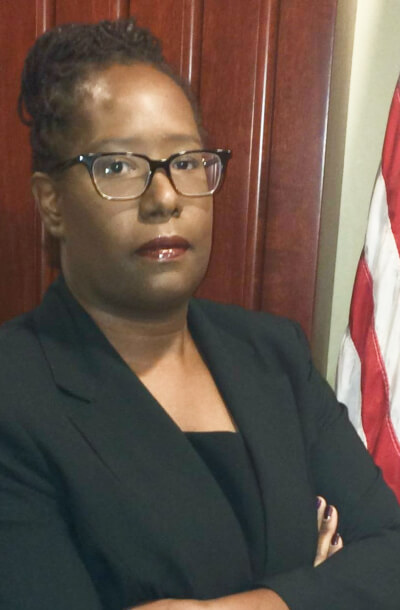
Heather C. Ford is the founder and Managing Attorney at Ford Injury Firm, a reputable Shreveport-based law firm focused on personal injury, traffic violations, and misdemeanor cases. A proud Louisiana native, Heather earned her bachelor’s degree in Chemistry from Dillard University before obtaining her Juris Doctor from Loyola University New Orleans.
At Ford Injury Firm, Heather leverages her extensive knowledge of Louisiana law to offer personalized and aggressive representation to clients facing a range of legal challenges. Whether dealing with the aftermath of car, truck, motorcycle, or pedestrian accidents, or addressing traffic-related charges such as speeding tickets and DUI/DWI offenses, Heather is dedicated to protecting her clients’ rights and securing the best possible outcomes.