Can I Sue Topgolf for an Injury in Louisiana?

Yes, you may be able to sue Topgolf for an injury in Louisiana if the venue’s negligence caused your harm. Like any business open to the public, Topgolf owes guests a duty of reasonable care. And here is something most people do not know: in Louisiana, a waiver you agreed to generally cannot block a claim for physical injury. Whether you have a case comes down to what caused the injury and who was at fault.
Can You Sue Topgolf for an Injury?
You can pursue a claim when the business fails to keep its premises reasonably safe and that failure injures you. This is premises liability, and it applies to entertainment venues just as it does to stores and restaurants.
Topgolf is a large operation with food, drinks, climbing stairs, elevated bays, and heavy equipment. When any of that is poorly maintained or poorly supervised and someone gets hurt, the business can be held responsible for the injury.
What Kinds of Topgolf Injuries Lead to Claims?
Guests get hurt at golf and entertainment venues in a range of ways, including:
- Slips and falls on wet floors, spilled drinks, or slick stairs
- Trips over damaged flooring, mats, or loose cables
- Falls from an elevated hitting bay with inadequate railings
- Malfunctioning equipment, including ball returns and club mechanisms
- Being struck by a club or ball in a poorly designed or crowded space
- Injuries tied to over-service of alcohol
- Food-related illness
The label on the injury matters less than the cause. What you need to show is that the venue’s carelessness led to your harm.
What You Have to Prove in a Louisiana Premises Case
The proof depends on how you were hurt.
If you slipped or fell because of a hazard on the floor, Louisiana’s merchant liability law applies. Under Revised Statute 9:2800.6, you must show all three of the following:
- The condition created an unreasonable risk of harm that was reasonably foreseeable
- The business created the hazard, or knew or should have known about it
- The business failed to use reasonable care
That middle element is where these cases are won or lost. You often need proof that the spill or hazard existed long enough that staff should have caught it, which is why surveillance video and quick investigation matter.
If your injury came from something other than a fall, such as broken equipment or a poorly run activity, the claim runs through Louisiana’s general negligence rules under Civil Code article 2315 and the rules for defective things in a business’s control. The core question stays the same. Was the venue careless, and did that carelessness hurt you?
Does the Waiver You Signed at Topgolf Block Your Claim?
Usually not. This is where Louisiana stands apart from most states.
Under Civil Code article 2004, any clause that tries to release a business from liability for causing physical injury is null. Louisiana is one of only a few states that refuse to enforce these pre-injury waivers for bodily harm. So a checkbox or signed form agreeing not to sue does not erase your right to recover for a physical injury caused by negligence.
The waiver is not useless to the other side. It can be used as evidence that you knew about certain risks, which may factor into how fault is divided. But it does not close the door on your claim.
How Does Comparative Fault Affect a Topgolf Case?
Louisiana changed its fault rule on January 1, 2026. Under the amended Civil Code article 2323, the state now follows a modified comparative fault system with a 51% bar.
What that means for you:
- If you are less than 51% at fault, your recovery is reduced by your share.
- If you are 51% or more at fault, you recover nothing.
This matters at a venue where guests are active and drinks are served. Expect the business to argue you ignored posted rules, leaned over a railing, or were impaired. Pushing your share of blame past that 51% line lets them avoid paying. Early evidence, incident reports, photos, and witness names help keep the fault where it belongs.
How Long Do You Have to Sue in Louisiana?
Two years from the date of injury, under Civil Code article 3493.1. Evidence at a busy venue disappears fast, especially surveillance footage, so it is smart to act well before that deadline.
FAQ
Can I sue if I signed a waiver at Topgolf?
In most cases, yes. Louisiana Civil Code article 2004 makes pre-injury waivers for physical injury null, so the form generally does not block your claim.
What if I had a few drinks before I got hurt?
You may still recover, as long as your share of fault stays under 51%. Being impaired can raise your fault percentage, so the facts matter.
How much time do I have to file?
Two years from the date of the injury under Louisiana law.
Who can be held responsible for a venue injury?
The business, and sometimes a maintenance contractor or equipment maker, depending on what failed and why.
Do I need a lawyer for a venue injury claim?
These cases turn on quick evidence and a strict burden of proof. A lawyer can preserve video and build the causation record before it is gone.
Talk to a Louisiana Injury Lawyer About Your Topgolf Claim
An injury at an entertainment venue can leave you with real bills and real pain, and a signed waiver does not take away your rights. The Law Office of Heather C. Ford helps injured people across Louisiana hold businesses accountable when negligence causes harm. Contact us for a free case review to learn what your claim may be worth.
Author Bio
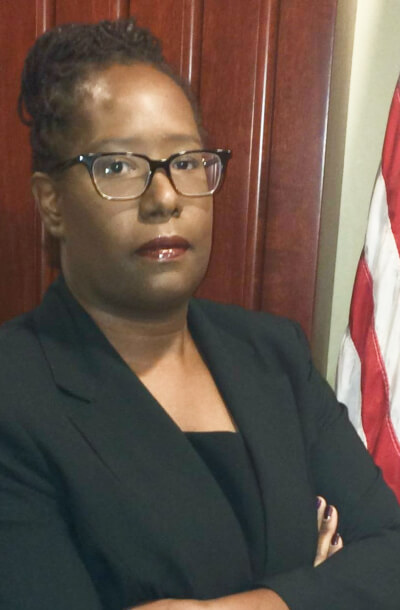
Heather C. Ford is the founder and Managing Attorney at Ford Injury Firm, a reputable Shreveport-based law firm focused on personal injury, traffic violations, and misdemeanor cases. A proud Louisiana native, Heather earned her bachelor’s degree in Chemistry from Dillard University before obtaining her Juris Doctor from Loyola University New Orleans.
At Ford Injury Firm, Heather leverages her extensive knowledge of Louisiana law to offer personalized and aggressive representation to clients facing a range of legal challenges. Whether dealing with the aftermath of car, truck, motorcycle, or pedestrian accidents, or addressing traffic-related charges such as speeding tickets and DUI/DWI offenses, Heather is dedicated to protecting her clients’ rights and securing the best possible outcomes.


